
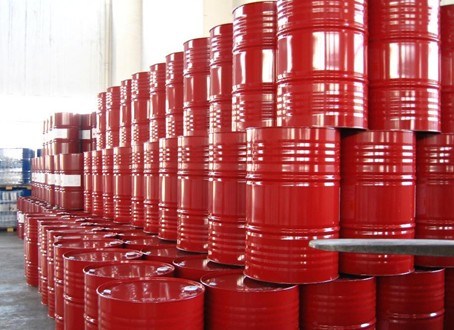
Toluene diisocyanate (TDI)
Toluene diisocyanate (TDI) is a pale yellow liquid organic compound with a sharp, pungent odor. It is primarily used in the production of flexible polyurethane foams, coatings, adhesives, sealants, and elastomers. TDI is highly reactive and toxic, and exposure can cause severe respiratory irritation and sensitization. It is typically handled in controlled industrial environments due to its hazardous nature.
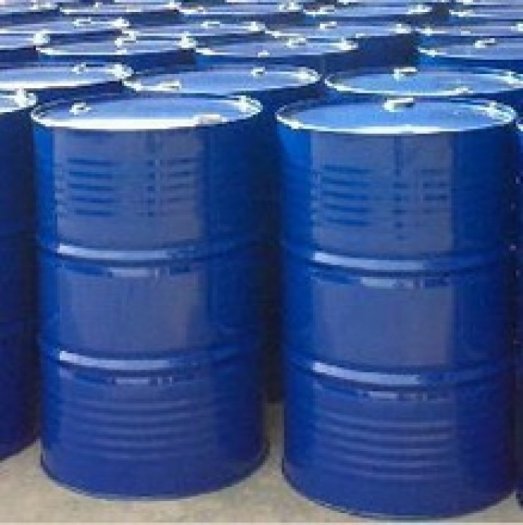
Polyol Conventional 3000MV/3500MV
Polyol Conventional 3000MV/3500MV refers to a type of polyether polyol with a molecular weight of approximately 3000 to 3500. It is commonly used in the production of flexible polyurethane foams and elastomers. This polyol offers good reactivity, stability, and compatibility with isocyanates like TDI or MDI. It typically appears as a clear to slightly cloudy viscous liquid and is an essential component in foam formulation, influencing properties like softness, durability, and resilience.
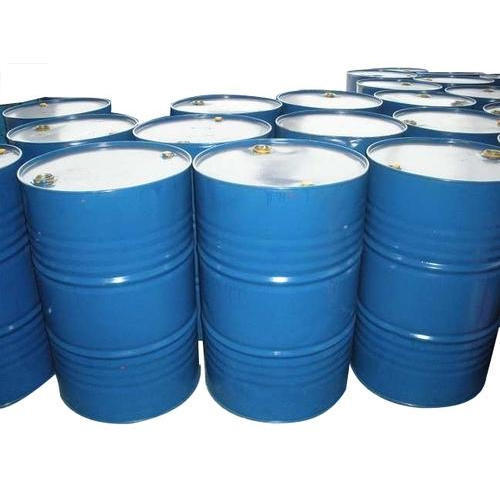
Polyol Polymeric 10%, 15%, 13.5%, 25%, 45%
Polyol Polymeric (10%, 13.5%, 15%, 25%, 45%) refers to polyether polyols blended with varying percentages of polymeric additives (usually styrene-acrylonitrile or similar polymer dispersions). These blends are used to enhance the performance characteristics of polyurethane foams. 10%–15%: Low polymer content; improves foam load-bearing slightly while maintaining softness. 13.5%: Balanced grade; used for medium firmness and durability. 25%: Higher firmness and improved structural support; ideal for cushions and mattresses. 45%: Very high firmness; used where strong mechanical properties and high load-bearing are required. These polymeric polyols offer improved tensile strength, resilience, and durability compared to conventional polyols.
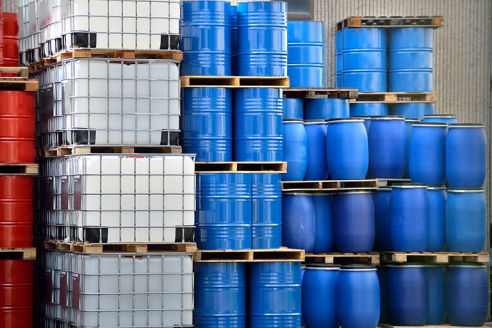
MDI Diphenyl Methane Di Iso Cyanate
MDI (Diphenylmethane Diisocyanate) is a versatile aromatic diisocyanate used primarily in the production of rigid and flexible polyurethane foams, elastomers, adhesives, and coatings. It is typically a brownish liquid or solid at room temperature and reacts with polyols to form polyurethane. MDI is known for its low volatility, high reactivity, and good mechanical and thermal properties in final products. It exists in various forms (pure MDI, polymeric MDI) and must be handled with care due to its potential health hazards, including respiratory and skin irritation.
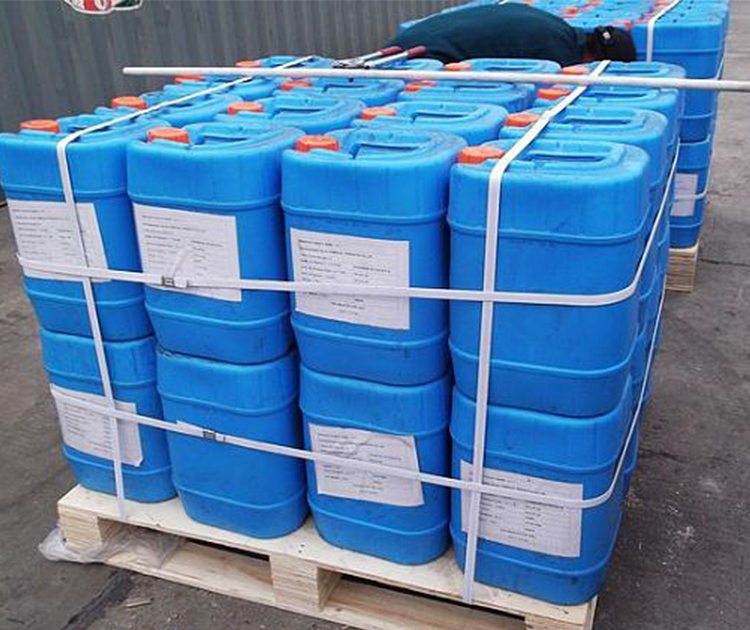
Adhesives - Silicone Surfactant / Stannous Octoate / Amine 33
Silicone Surfactant A surface-active agent used in polyurethane foam production to stabilize the cell structure during foam formation. It helps control foam porosity, cell size, and uniformity, improving overall foam quality and performance. Stannous Octoate (Tin Catalyst) A commonly used catalyst in polyurethane production, especially for flexible foams. It accelerates the reaction between polyols and isocyanates, ensuring proper curing and foam formation. Amine 33 (33% Triethylenediamine in Dipropylene Glycol) A reactive amine catalyst used to promote the gelling and blowing reactions in polyurethane systems. It enhances foam rise and structure, often used in combination with tin catalysts for balanced reactivity. These additives are critical in optimizing the performance, stability, and curing rate of polyurethane-based adhesives and foams.
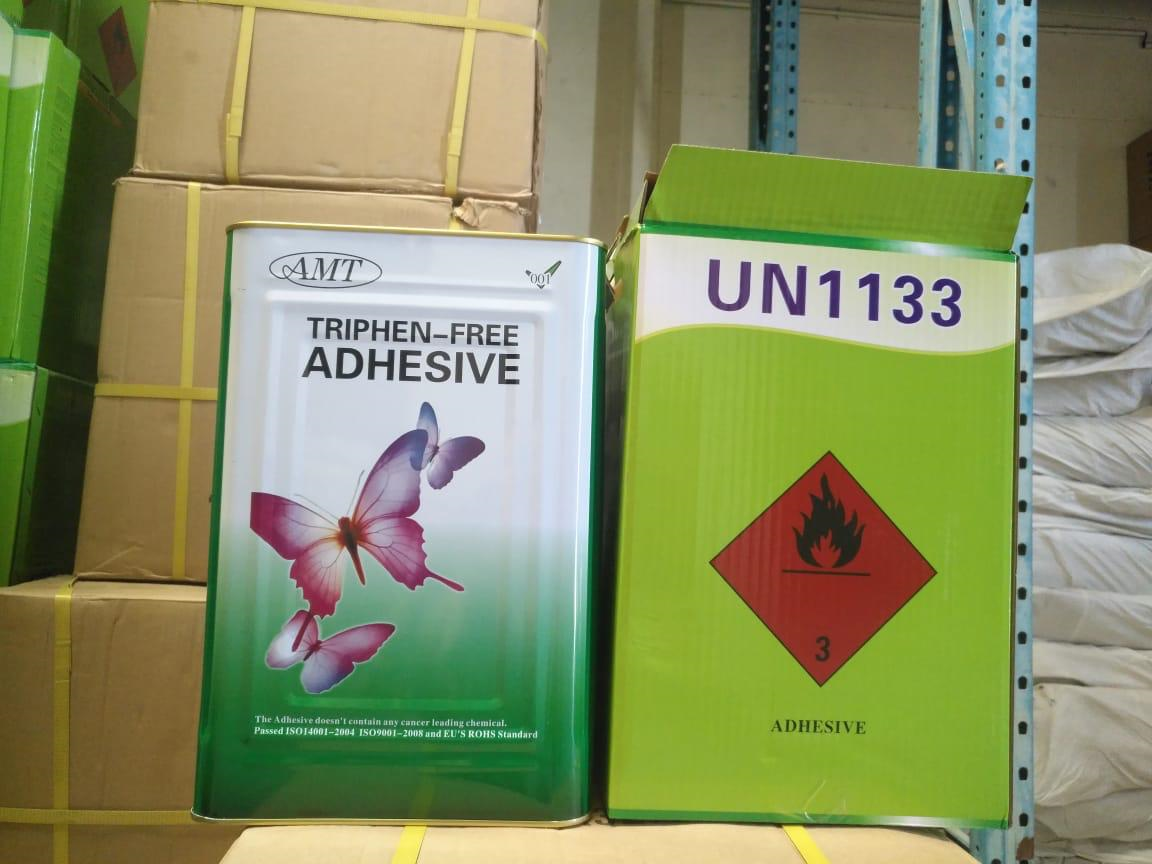
SPRAY GLUE
Spray Glue for Mattress Spray glue used in mattress manufacturing is a ready-to-use adhesive applied via spray for bonding foam, fabric, and other materials. It ensures even coverage, quick tack, and strong adhesion while maintaining the softness and flexibility of the mattress layers. Typically water-based or solvent-based, spray adhesives are favored for their fast drying time, low odor, and ease of application in high-speed production environments. Some formulations are also eco-friendly and non-toxic, suitable for safe indoor use.


